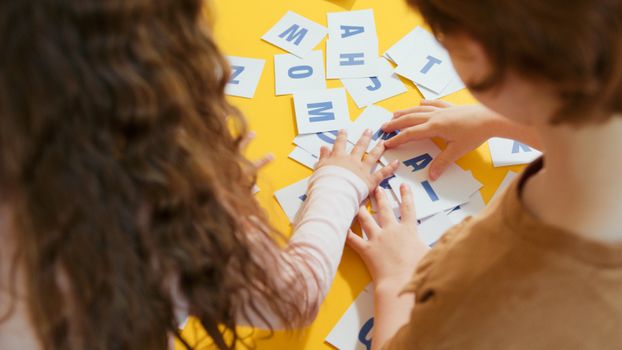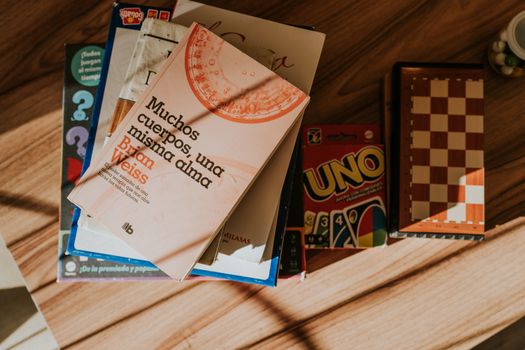
Learning Spanish grammar is often seen as one of the most challenging aspects of mastering the language. Verb conjugations, gender agreements, and sentence structures can be intimidating, especially for beginners and intermediate learners. However, there is a more engaging way to tackle these challenges—by incorporating games into your study routine. Games for improving Spanish grammar are not only fun, but they can also reinforce learning through repetition, instant feedback, and real-world application. In this article, we’ll explore how games can boost your Spanish grammar skills, the types of games available, strategies to use them effectively, and how to measure your progress for maximum results.
The Science Behind Games and Language Learning
Over the past decade, educators and researchers have increasingly recognized the power of game-based learning in language acquisition. According to a 2022 study by the University of Granada, students who used language games for 20 minutes daily showed a 30% improvement in grammar test scores over a three-month period compared to those who relied solely on textbooks. The reasons are clear: games offer immediate feedback, encourage active participation, and motivate learners to engage consistently.
Gamification, the process of adding game-like elements to non-game activities, taps into the brain’s reward system. Points, badges, and leaderboards trigger the release of dopamine, reinforcing positive behavior and making it more likely that learners will stick with their studies. Furthermore, games often present language in context, which helps cement grammatical rules in memory.
Types of Games for Spanish Grammar Mastery
Not all games are created equal, and different types target different aspects of Spanish grammar. Here’s a breakdown of the most popular formats:
1. Digital Grammar Quizzes: Platforms like Conjuguemos and SpanishDict offer interactive quizzes that focus on verb conjugation, prepositions, and articles. These quizzes track your progress and adapt to your skill level. 2. Card and Board Games: Physical games such as Lotería Gramatical (Grammar Bingo) or Verb Conjugation Flashcards make grammar practice tactile and social, ideal for classrooms or study groups. 3. Role-Playing Games (RPGs): These games encourage players to use correct grammar in context. For example, in a mystery-solving RPG, players must ask and answer questions using the right verb tenses and sentence structures. 4. Mobile Apps: Apps like Duolingo, Babbel, and Lingodeer integrate grammar-focused mini-games into their curriculum, offering bite-sized practice on the go. 5. Custom Printable Worksheets: Many educators create printable board games or crossword puzzles focused on specific grammar points, such as irregular verbs or adjective agreement.Below is a comparison of some common digital and physical grammar games:
| Game Type | Focus Area | Ideal For | Feedback Speed | Social Interaction |
|---|---|---|---|---|
| Digital Quizzes | Verb Conjugation, Prepositions | Solo Learners | Instant | Low |
| Board/Card Games | Gender, Agreement, Vocabulary | Groups/Classrooms | Varies | High |
| Mobile Apps | Mixed Grammar Topics | All Levels | Instant | Medium |
| Role-Playing Games | Sentence Structure, Tense Usage | Intermediate/Advanced | Delayed | High |
Practical Strategies for Using Grammar Games Effectively
To maximize the benefits of grammar games, it’s essential to use them strategically. Here are some proven methods:
1. Set Clear Goals: Before starting a game, decide what grammar point you want to focus on. For example, dedicate one session to mastering the preterite tense, and another to adjective-noun agreement. 2. Combine Game Types: Don’t rely on just one format. Alternate between digital quizzes for rapid-fire practice and role-playing scenarios for deeper contextual understanding. 3. Incorporate Spaced Repetition: Use apps and games that revisit challenging grammar points over time. Spaced repetition is proven to improve long-term retention by up to 50%, according to a 2021 study by the University of Barcelona. 4. Track Your Progress: Many apps and platforms allow you to monitor your accuracy and improvement. Keep a simple journal to note which grammar rules you’ve mastered and which need more practice. 5. Make it Social: Invite friends or classmates to join you. Competitive elements, such as timed challenges or leaderboards, have been shown to boost motivation and engagement by 40% in group settings.Real-World Examples: Grammar Games in Action
Let’s look at how learners at different levels can use games to improve their Spanish grammar:
Beginner: Maria, a high school student, uses a mobile app’s verb conjugation game for 15 minutes daily. Within two months, she increases her accuracy on regular -ar verbs from 60% to 90%.
Intermediate: Tomás joins a weekly Spanish board game night, where he plays Lotería Gramatical with friends. These sessions help him internalize the gender of nouns and adjective agreements through repeated exposure and friendly competition.
Advanced: Sofia participates in an online RPG where her character must solve mysteries in Spanish. The narrative structure forces her to use complex sentence structures and mixed tenses, solidifying her grammatical competence in real-life scenarios.
Educators also use grammar games to enhance classroom engagement. In a 2023 survey, 78% of Spanish teachers reported that students retained grammar concepts better when taught through interactive games compared to traditional lectures.
Overcoming Common Challenges with Grammar Games
Despite their advantages, grammar games can present a few pitfalls. Here’s how to avoid the most common issues:
1. Overemphasis on Speed: Some games reward quick answers, which can lead to careless mistakes. Balance speed-based games with those that value accuracy and thoughtful responses. 2. Lack of Depth: Not all games cover advanced grammar concepts. As you progress, seek out games that challenge higher-level skills, such as the subjunctive mood or compound tenses. 3. Passive Participation: It’s possible to “coast” through some games without fully engaging. Combat this by regularly reflecting on your mistakes and reviewing explanations between rounds. 4. Technology Barriers: Not all learners have access to digital resources. Printable games, flashcards, and board games offer effective offline alternatives. 5. Plateauing: If you notice your progress slowing, switch up your games or add new challenges. For example, try creating your own grammar board game or leading a group activity.Measuring Progress: How to Know If Games Are Working
A key advantage of using games is the ability to track your progress in a tangible way. Here’s how to measure the effectiveness of your grammar game routine:
- Accuracy Scores: Digital platforms often display your correct/incorrect answers. Aim for at least an 85% accuracy rate before moving on to more advanced topics. - Streaks and Badges: Many apps reward continuous practice. Maintaining a 14-day streak, for example, has been linked to higher retention rates. - Real-World Application: Test your grammar skills in conversation or writing. If you find yourself making fewer mistakes when speaking or composing emails, your game-based practice is paying off. - Self-Assessment: Every month, review your grammar journal. Note which rules have become second nature and adjust your game focus accordingly.According to data from the Instituto Cervantes, learners who regularly incorporate games into their study routines advance through Spanish grammar levels 25% faster on average than those who do not.
Unlocking Spanish Grammar Mastery Through Games
Games for improving Spanish grammar are far more than a novelty—they’re a proven, dynamic tool to make learning more engaging, effective, and enjoyable. By choosing the right mix of games, setting clear goals, and tracking your progress, you can turn what once felt like a tedious chore into a rewarding part of your language journey. Whether you’re a beginner memorizing verb endings or an advanced learner mastering the subjunctive, incorporating games into your regimen can accelerate your mastery and help you use Spanish grammar naturally and confidently.