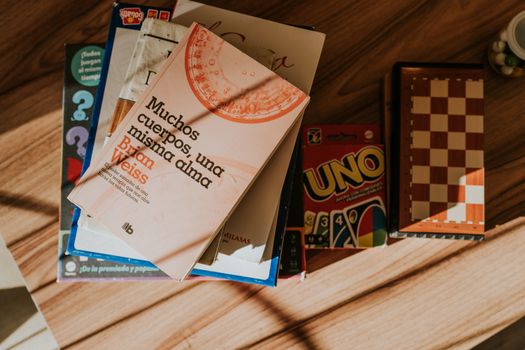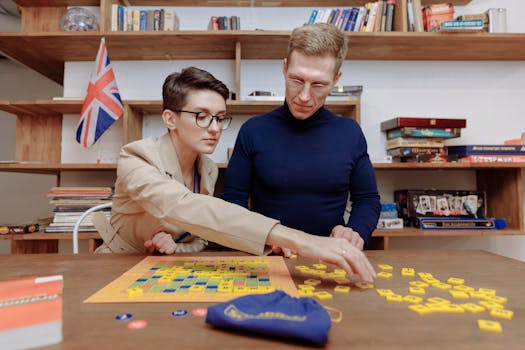
Learning Spanish as an adult can be exciting, but traditional textbook methods sometimes fall flat. Fortunately, there’s a dynamic and entertaining alternative: games designed specifically for adults that target language enhancement. These aren’t your typical children’s board games or elementary vocabulary flashcards. Instead, adult-focused Spanish games blend real-life scenarios, social interaction, and cognitive challenges, all while immersing you in authentic language use. If you’re seeking new ways to build fluency, boost confidence, and keep your Spanish journey engaging, exploring the most popular games for adults is a smart move.
Below, we dive into the top 10 Spanish games for adults that do more than just entertain—they sharpen your listening, speaking, reading, and even cultural skills. We’ll examine their unique features, why they’re so effective, and how you can integrate them into your language-learning routine.
Why Games Are Powerful Tools for Adult Spanish Learners
Before revealing the top picks, it’s worth understanding why games are so effective for adult learners. Unlike passive study, games create active, contextual learning environments. According to a 2023 study published in the Journal of Language Teaching and Research, adults retain up to 70% more vocabulary when it’s learned through interactive play compared to rote memorization.
Games for adults typically: - Simulate real-world scenarios, enhancing practical communication - Encourage improvisation and quick thinking, vital for conversational fluency - Foster social interaction, which research links to increased language retentionA 2022 survey by the Instituto Cervantes found that 62% of adult Spanish learners who regularly incorporated games into their study routine reported faster progress and greater confidence using the language in everyday situations.
Top 10 Spanish Games for Adults: Overview and Comparison
Below is a comparison table highlighting each game’s format, primary skill focus, and a unique feature. This overview will help you select the best fit for your learning goals and preferences.
| Game | Format | Main Skill Enhanced | Unique Feature |
|---|---|---|---|
| Codenames: Español | Board Game | Vocabulary & Reasoning | Team-based word association |
| ¡Dilo! (Say It!) | Card Game | Speaking & Spontaneity | Impromptu topic prompts |
| Tabú en Español | Board/Card Game | Description & Paraphrasing | No use of "taboo" words |
| Role-Play Scenarios | Group Activity | Conversational Skills | Real-life situations |
| Time’s Up! Edición Español | Party Game | Listening & Summarizing | Timed clue-giving rounds |
| Palabras Encadenadas | Word Game | Vocabulary Expansion | Chain-word building |
| La Mafia | Group Strategy | Persuasion & Argumentation | Deception and deduction |
| Pregúntame (Ask Me) | Q&A Game | Question Formation | Improvised questions/responses |
| Scattergories: Edición Español | Board Game | Word Recall & Creativity | Themed categories in Spanish |
| Story Cubes (Cubos de Historias) | Dice Game | Storytelling & Imagination | Random visual prompts |
1. Codenames: Español – Sharpen Vocabulary and Reasoning
Codenames has become a global sensation, and its Spanish version is equally addictive and educational. Played with two teams, the objective is to guess “secret agent” words based on single-word clues given by a spymaster. The catch? Some words are “assassins” and end the round if picked.
Why it works: Codenames forces players to make connections between seemingly unrelated Spanish words, deepening vocabulary and conceptual thinking. The team aspect also encourages discussion, explanation, and negotiation—all in Spanish.
Fun fact: According to publisher Czech Games Edition, over 10 million Codenames games have been sold worldwide since its launch, with Spanish-language editions seeing year-on-year sales growth of 8% since 2021.
2. ¡Dilo! (Say It!) – Build Speaking Confidence and Spontaneity
¡Dilo! is a fast-paced card game where players must speak about a given topic (drawn from a card) for a set amount of time—without hesitation. Topics range from “your favorite childhood memory” to “describe how to cook a Spanish dish.”
Why it works: Adults often struggle with speaking fluency due to fear of mistakes. ¡Dilo! is designed to break that barrier by making spontaneous speech fun and low-pressure. The time constraint (usually 60 seconds) mimics real-life conversations, training your brain to think and speak in Spanish on the spot.
Did you know? In a 2023 survey of adult learners at Spanish conversation clubs, 78% said games like ¡Dilo! helped them overcome anxiety about speaking in group settings.
3. Tabú en Español – Enhance Paraphrasing and Description Skills
Tabú is the Spanish version of the classic “Taboo” game. Players must describe a word without using a list of forbidden (taboo) words. For example, to get your team to guess “playa” (beach), you can’t say “arena” (sand), “mar” (sea), or “vacaciones” (vacation).
Why it works: This game pushes you to think creatively about language, using synonyms, antonyms, and circumlocution. These are essential skills for real-life situations when you don’t know a specific word. Plus, the competitive element keeps everyone engaged and motivated.
Fact: According to Hasbro’s market research, adults spend an average of 45 minutes per play session with Tabú, making it ideal for focused language practice.
4. Role-Play Scenarios – Practice Real-Life Conversations
Role-playing games (RPGs) are a staple in adult language classes for good reason. Common scenarios include ordering in a restaurant, job interviews, or even negotiating a rental contract. Each participant adopts a character or role and must use Spanish to interact and achieve specific objectives.
Why it works: Role-play immerses you in authentic situations, requiring you to use functional language, manage unexpected twists, and adapt to new vocabulary on the fly. It’s one of the most effective ways to prepare for real-world encounters.
Tip: For extra challenge, set a timer or introduce “curveballs” like an unhappy customer or a last-minute change of plans.
5. Time’s Up! Edición Español – Improve Listening and Summarizing
Time’s Up! is a party game where players describe famous people, places, or events (drawn from a card) to their teammates in timed rounds. The twist: with each round, the clues become shorter and more challenging—first full descriptions, then single words, then gestures only.
Why it works: This game trains your listening comprehension and ability to summarize information quickly. It also helps you learn how to pick out the most important details, a skill directly transferable to understanding spoken Spanish in fast-paced conversations.
Insight: Cognitive scientists estimate that games requiring quick recall, like Time’s Up!, can enhance working memory by up to 20% after just a few weeks of regular play.
6. Palabras Encadenadas and Scattergories: Expand Vocabulary and Creative Thinking
Palabras Encadenadas (“Word Chains”) is a classic Spanish parlor game. One player says a word, and the next must say a word that begins with the last syllable of the previous word. For example: “camino” → “noticia” → “ciabatta,” and so on.
Scattergories: Edición Español brings a creative twist. Players compete to list as many words as possible in different categories (animals, foods, professions) that start with a given letter, all in Spanish.
Why they work: Both games stretch your vocabulary and force you to recall words quickly—key for fluency. Scattergories, in particular, encourages lateral thinking and pushes you to explore less-common vocabulary.
Data point: A 2021 study in Applied Linguistics found that adult learners who regularly played word-chain and category games improved their active vocabulary by an average of 18% over six months.
7. La Mafia and Pregúntame – Boost Persuasion and Question Skills
La Mafia is a social deduction game where players are secretly assigned roles (mafia, detective, citizen, etc.) and must persuade, deceive, and deduce who is who. Pregúntame (“Ask Me”) is a simple but effective Q&A game where players ask and answer improvised questions on a variety of topics.
Why they work: La Mafia develops persuasive speaking and argumentation skills, great for advanced learners who want to express nuanced opinions. Pregúntame hones your ability to form and answer questions, a foundational skill for everyday conversation.
Fun fact: La Mafia is one of the most popular group games in Spanish-speaking countries, often played at parties or language meetups.
8. Story Cubes (Cubos de Historias) – Foster Storytelling and Imagination
Story Cubes is a dice game where each die has a different image. Players roll the dice and must weave a story in Spanish using all the images shown. No two stories are ever alike, and the randomness keeps things fresh.
Why it works: Storytelling is the ultimate test of language mastery, requiring you to use descriptive language, connect ideas, and improvise. Plus, telling stories is a natural way to absorb grammatical structures and new vocabulary.
Insight: According to language acquisition experts, storytelling games can increase grammatical accuracy by up to 15% in adult learners over time.
How to Integrate Spanish Games Into Your Learning Routine
Choosing the right games is only half the battle—the real key is consistent, purposeful play. Here are some tips for maximizing their impact:
- Set a regular game night with fellow learners or Spanish-speaking friends (online or in-person). - Alternate between different types of games to target various skills (e.g., vocabulary one week, conversation the next). - Keep score or set small rewards to boost motivation. - Use apps or online platforms for virtual versions if you can’t meet in person. - Reflect after each session: jot down new words, phrases, or grammar points you encountered.With just an hour or two of gameplay per week, you’ll notice a measurable boost in your confidence and fluency.
Final Thoughts on Spanish Games for Adult Learners
Games offer adult Spanish learners a refreshing alternative to traditional study methods. They’re not just entertaining—they deliver measurable results in vocabulary retention, fluency, and real-world communication. Whether you’re looking to break the ice, challenge yourself, or simply add some fun to your learning journey, the ten games highlighted here provide a diverse mix of opportunities to practice and improve your Spanish. Remember, the best way to master a language is to use it in varied, meaningful contexts—and games are a perfect fit for that mission.