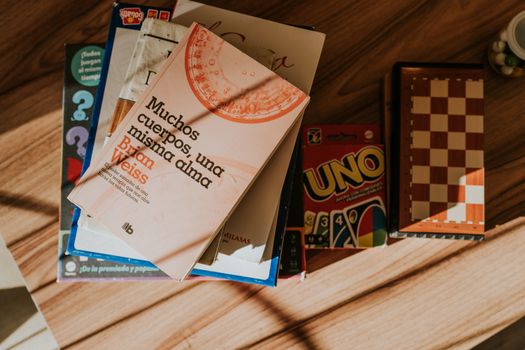
Learning a new language as an adult can be a daunting task, but what if the process could be both enjoyable and effective? Video games, often associated with leisure and entertainment, are emerging as powerful tools for language acquisition. For adults seeking to learn Spanish, integrating video games into your study routine can make the journey more engaging, immersive, and successful. In this article, we explore how to use video games to learn Spanish for adults, uncovering strategies, game genres, and practical tips for maximizing your language learning experience.
The Science Behind Learning Spanish Through Video Games
Video games have evolved into sophisticated, interactive environments that stimulate cognitive skills and promote deep learning. Research indicates that active engagement and contextual immersion significantly enhance language retention. One study published in the journal "Simulation & Gaming" showed that learners who used video games as part of their language study improved their vocabulary retention by up to 40% compared to traditional methods.
Video games offer real-time feedback, situational context, and auditory-visual cues—all of which are critical for adult learners. By interacting with characters, navigating virtual worlds, and solving problems in Spanish, adults are exposed to natural language usage, idiomatic expressions, and cultural references that textbooks often lack.
Choosing the Right Type of Video Game for Spanish Learning
Not all video games are equally effective for language learning. The key is to select games that immerse you in Spanish dialogue, text, or cultural scenarios. Here are some popular genres and examples:
- $1 These games typically feature rich storylines and extensive character interactions. RPGs like "The Legend of Zelda: Breath of the Wild" (with language settings switched to Spanish) can expose players to conversational language and narrative vocabulary. - $1 Titles such as "The Sims 4" allow players to interact, build relationships, and manage daily life in Spanish, providing practical vocabulary relevant to everyday situations. - $1 Games like "Machinarium" or "Gris" encourage problem-solving and exploration, reinforcing reading comprehension and critical thinking in Spanish. - $1 Specifically designed for learners, games like "Influent" and "MindSnacks Spanish" blend gaming mechanics with targeted language lessons.Below is a comparison table of popular video game genres for Spanish learners:
| Game Genre | Language Exposure | Best For | Example Titles |
|---|---|---|---|
| Role-Playing (RPG) | High (dialogue, narrative) | Intermediate to Advanced | The Witcher 3, Zelda: BOTW |
| Simulation | Moderate (daily vocabulary) | Beginner to Intermediate | The Sims 4, Animal Crossing |
| Adventure/Puzzle | Moderate (instructions, story) | Beginner to Advanced | Gris, Machinarium |
| Language-Learning | Very High (focused lessons) | All Levels | Influent, MindSnacks Spanish |
Setting Up Your Video Game Environment for Maximum Spanish Exposure
To harness the full power of video games for learning Spanish, it’s essential to tweak your gaming environment:
- $1 Most modern games and consoles allow you to switch the language of audio, subtitles, and menus. Set these to Spanish to immerse yourself fully. - $1 For games with voice acting, listen to Spanish audio and enable Spanish subtitles. This dual exposure strengthens both listening and reading skills. - $1 Online multiplayer games, such as "Fortnite" or "Minecraft," have thriving Spanish-speaking communities. Participate in guilds or chats to practice real-time conversation. - $1 Use walkthroughs, wikis, or discussion boards written in Spanish to deepen your contextual comprehension and pick up gaming-specific vocabulary.A survey by the European Commission in 2023 found that 38% of adult language learners who changed their device and game languages to their target language reported a significant increase in daily vocabulary retention.
Active Learning Strategies: Beyond Just Playing
While playing video games in Spanish is beneficial, adopting active learning strategies will maximize your results:
- $1 Jot down new words, phrases, and expressions you encounter. Review your notes regularly to reinforce retention. - $1 Take breaks to analyze dialogue or narrative text. Look up unfamiliar words, and try to infer meaning from context before consulting a dictionary. - $1 Team up with fellow Spanish learners or native speakers. Set rules to converse only in Spanish during gameplay sessions. - $1 Set in-game objectives that require using specific grammatical structures or vocabulary lists, turning learning into a rewarding quest. - $1 Use screen capture tools to record dialogues or cutscenes. Re-watch them to improve your listening comprehension and pronunciation.A 2022 study from the University of Barcelona revealed that adult learners who combined game-based immersion with structured review sessions improved their Spanish proficiency scores by 27% over six months.
Understanding Cultural Nuance Through Gaming
One often overlooked benefit of playing video games in Spanish is the exposure to cultural nuance. Many games incorporate regional dialects, slang, and humor that reflect the diversity of the Spanish-speaking world.
For example, "Assassin’s Creed: Black Flag" set in the Caribbean, features Spanish dialogue influenced by Latin American accents and idioms. Similarly, games developed in Spain, such as "Rime," provide insights into Iberian Spanish.
By encountering these variations, adult learners can develop an ear for different accents and a deeper appreciation of Spanish-speaking cultures. This cultural literacy is invaluable for real-world communication, travel, and professional opportunities.
Overcoming Common Challenges When Learning Spanish with Video Games
Despite the many advantages, adults may face challenges when using video games for language learning:
- $1 Some games use complex language or slang that may be overwhelming. Start with games designed for younger audiences or those with simpler narratives. - $1 It’s easy to focus on gameplay and neglect language learning goals. Set clear objectives for each session, such as mastering a set number of new words. - $1 Not all games support Spanish audio or subtitles. Research titles in advance or explore indie games, which often support multiple languages. - $1 Progress may feel slow at times. Track your improvements and celebrate milestones, like finishing a game entirely in Spanish or having a full conversation with a Spanish-speaking player.Remember, consistency is key. Even 20-30 minutes of focused gaming in Spanish each day can yield measurable improvements over several months.
Unlocking the Full Potential of Video Games for Adult Spanish Learners
Incorporating video games into your Spanish learning journey as an adult offers a unique blend of entertainment, immersion, and practical skill-building. From choosing the right genre to setting up a Spanish-rich environment and employing active learning techniques, you can transform your leisure time into a powerful educational tool.
With over 560 million Spanish speakers worldwide and Spanish being the second most spoken language by native speakers, mastering Spanish opens doors in both personal and professional spheres. Video games, when used thoughtfully, can make the process more interactive, enjoyable, and successful.