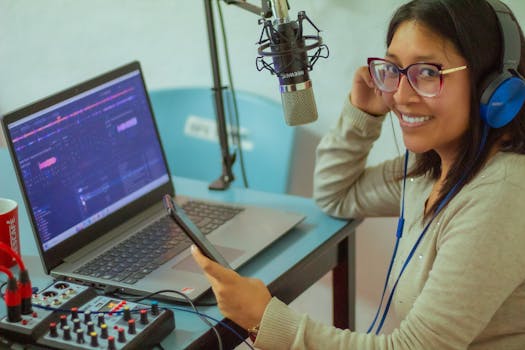
Learning a new language is a journey filled with challenges and excitement, and for many, the quest to master Spanish is both a personal and professional goal. While traditional classroom methods and textbooks have their place, innovative tools like podcasts are transforming how we approach language acquisition. Spanish podcasts, offering authentic conversations, cultural insights, and real-world vocabulary, have become a game-changer for language learners of all levels. But how can you harness their full potential? Let’s explore proven strategies, practical tips, and the science behind using Spanish podcasts to improve your language skills effectively.
The Science Behind Learning with Podcasts
Listening is a foundational skill in language learning, and podcasts provide an immersive environment that mirrors how we naturally acquire languages as children. Research from the University of Maryland found that learners who regularly engaged with audio content in their target language improved their listening comprehension by 32% compared to those relying solely on written material. This is because listening activates the brain areas responsible for understanding context, tone, and natural speech patterns—elements often missing in textbooks.
Podcasts offer several cognitive benefits: - Exposure to various dialects and accents - Real-time processing of natural speed conversations - Contextual vocabulary acquisition - Improved auditory memory and pronunciationBy integrating podcasts into your study routine, you not only build comprehension but also develop the intuitive grasp of conversational flow that is essential for fluency.
Choosing the Right Spanish Podcasts for Your Level
Not all Spanish podcasts are created equal. Selecting the right type and difficulty is crucial for effective learning. Beginner podcasts typically use slower speech, simple vocabulary, and include explanations in English. Intermediate and advanced podcasts feature native-level discussions, varied accents, and delve into complex topics like politics, science, and culture.
Here’s a comparative overview of popular Spanish podcast types:
| Podcast Type | Recommended Level | Key Features | Examples |
|---|---|---|---|
| Educational/Instructional | Beginner to Intermediate | Slow pace, vocabulary explanations, English support | Coffee Break Spanish, Duolingo Spanish Podcast |
| News & Current Events | Intermediate to Advanced | Native speed, topical discussions, varied accents | Noticias en Español, Radio Ambulante |
| Storytelling & Interviews | Intermediate to Advanced | Personal narratives, cultural content, idiomatic language | Entiende Tu Mente, El Hilo |
| Native Entertainment | Advanced | Unscripted, slang, humor, cultural references | Nadie Sabe Nada, La Cotorrisa |
Matching your podcast choice to your current level ensures you stay engaged without feeling overwhelmed or under-challenged.
Active Listening: Turning Passive Audio into Powerful Practice
It’s easy to hit ‘play’ and let a Spanish podcast run in the background, but passive listening yields limited results. To maximize learning, adopt active listening strategies:
1. $1 Pause after every 1-2 minutes and write down what you hear. This sharpens your focus on pronunciation, vocabulary, and grammar structures. 2. $1 After each episode or segment, verbally summarize the main points in Spanish. This improves comprehension and speaking confidence. 3. $1 Repeat sentences out loud immediately after hearing them. This method, supported by linguistic research from the University of Tokyo, can boost pronunciation accuracy by up to 40%. 4. $1 Jot down unfamiliar words and phrases, then look up their meanings and practice using them in sentences. 5. $1 Don’t hesitate to replay tricky sections. Repetition cements understanding and helps with accent and intonation.Active engagement not only deepens comprehension but also accelerates the transition from passive understanding to active use of the language.
Integrating Podcasts into a Balanced Study Routine
Podcasts work best when they complement other learning activities. The key is consistency and diversity. Here are some effective integration strategies:
- $1 Turn travel time into productive learning by listening to a 15-30 minute podcast episode. - $1 Focus on a specific topic (e.g., food, travel, politics) across different podcasts to build topic-specific vocabulary. - $1 After listening, discuss the content with a language partner or tutor. According to a 2022 study in the journal "Language Learning & Technology," students who combined listening with speaking practice improved overall fluency 25% faster than those using only one method. - $1 Read the transcript (if available) while listening to reinforce spelling and comprehension. Many podcasts, such as "Radio Ambulante," provide downloadable transcripts.Aim for at least 20-30 minutes of focused podcast listening four to five times per week, alongside other activities like reading, writing, and speaking.
Leveraging Technology and Community for Maximum Gains
Modern apps and online communities can supercharge your Spanish podcast experience. Many podcast platforms offer interactive features:
- $1 Slow down or speed up audio to match your comfort level. - $1 Apps like Spotify and Apple Podcasts often display synchronized transcripts, making it easy to follow along. - $1 Some educational podcasts include end-of-episode quizzes or comprehension questions.Beyond technology, joining listener communities—such as podcast forums, Facebook groups, or language exchange platforms—provides social motivation and accountability. For example, the “Coffee Break Spanish Community” hosts regular discussion threads and live events, giving learners a chance to practice and ask questions.
Real-Life Success Stories: How Learners Transformed Their Spanish
Thousands of language learners have leveraged podcasts to achieve remarkable results. Take Sarah, a marketing professional from Texas, who listened to Spanish podcasts during her daily runs. Within six months, she reported a 50% improvement in her listening test scores and felt confident enough to travel solo across Spain.
Similarly, a 2021 survey by FluentU found that 73% of respondents who incorporated podcasts into their language routines reported noticeable gains in comprehension and conversational ability within three months. These stories underscore the transformative power of consistent, meaningful audio exposure.
Final Thoughts on Mastering Spanish with Podcasts
Podcasts offer a dynamic, flexible, and deeply engaging way to improve your Spanish. By choosing the right podcasts, practicing active listening, integrating audio into a well-rounded study routine, and leveraging technology and community, you can make significant strides towards fluency. Remember, language learning thrives on exposure, variety, and consistency—qualities that podcasts naturally provide. Whether you’re just starting or aiming for native-like fluency, Spanish podcasts can be your passport to a more confident and competent command of the language.